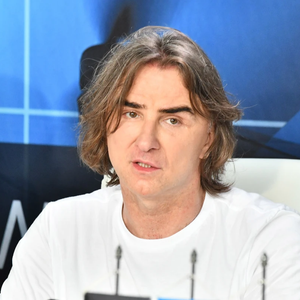
Brooke’s day began with what seemed like an ordinary headache. But as she got up to find Panadol, the situation reportedly took a terrifying turn: she collapsed and became paralysed. At just 47, she was experiencing a stroke that would leave her fighting for her life.
The account is a stark reminder that strokes can affect people who appear healthy, and that recognising the warning signs quickly can make a critical difference. The specific details of Brooke’s case, including reports that she nearly died three times, could not be independently verified in the sources available for this article.
However, Australian health authorities stress that a stroke is always a medical emergency. The Stroke Foundation urges Australians to remember the F.A.S.T. test: Face – check for facial drooping; Arms – see whether both arms can be raised; Speech – listen for slurred or unusual speech; and Time – call an ambulance immediately. <Cite refs={[“turn401722search2″,”turn401722search4”]}/>
Other warning signs can include sudden weakness or paralysis, loss of balance, vision problems and a severe, unexplained headache. <Cite refs={[“turn401722search4”]}/>
Brooke’s story carries an urgent message: don’t dismiss sudden symptoms or wait for them to disappear. In Australia, call 000 immediately if a stroke is suspected. Fast action can save lives and reduce lasting disability.